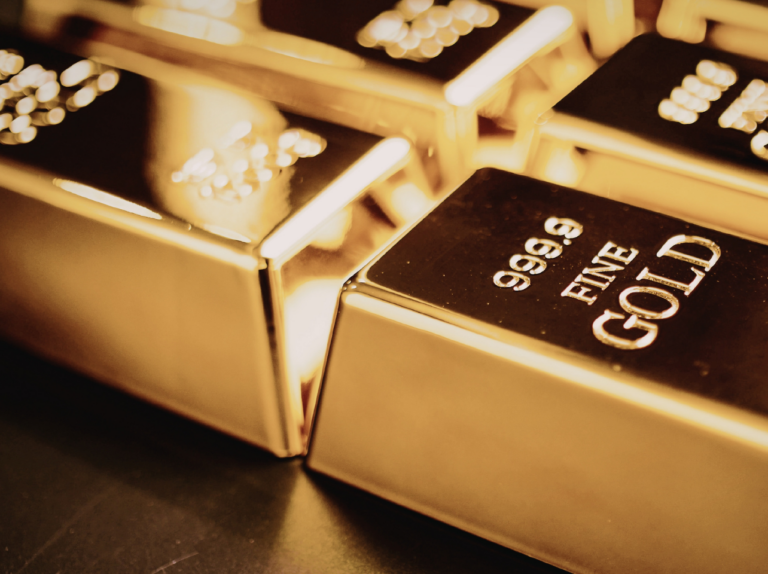
In an era of uncertainty and inflationary pressure, gold continues to play its ancient and irreplaceable role — preserving wealth across generations and borders.
There is something almost paradoxical about gold’s continued relevance in the modern investment landscape. In a world of digital assets, algorithmic trading, and complex financial instruments, the appeal of a metal that has been used as a store of value for over five thousand years might seem anachronistic. Yet gold continues to attract serious investors precisely because its virtues are so durable and so distinctly its own.
“No currency, no company, and no government can manufacture more of it — and that scarcity is the bedrock of its enduring value.”
The most fundamental case for gold rests on its properties as a hedge against inflation and currency debasement. When central banks expand their money supply — as many have done aggressively in recent years — the purchasing power of fiat currencies tends to erode over time. Gold, by contrast, cannot be printed. Its supply grows only slowly, constrained by the physical realities of mining. This scarcity underpins its role as a reliable store of value across economic cycles.
Gold also functions as a portfolio diversifier in a way that few other assets can match. Its correlation with equities and bonds tends to be low, meaning that it often performs well precisely when other assets are under pressure. During periods of market stress — financial crises, geopolitical turmoil, or sharp recessions — gold has historically served as a safe haven, providing ballast to portfolios that might otherwise be heavily exposed to risk assets.
Accessibility to gold as an investment has also improved significantly. Beyond the traditional route of purchasing physical gold — bars, coins, and jewellery — investors can now gain exposure through gold-backed exchange-traded funds (ETFs), gold mining equities, and even digital tokens backed by physical metal. This breadth of options means that investors can tailor their gold exposure to their specific circumstances, risk appetite, and investment horizon.
Looking ahead, several structural factors support the case for gold. Central bank buying — particularly among emerging market economies seeking to diversify away from dollar-denominated reserves — has been a significant source of demand. Meanwhile, gold’s growing role in industrial applications, from electronics to medical technology, adds a further dimension to its demand profile beyond pure investment interest.
For investors seeking an asset that has stood the test of time, offers genuine diversification, and provides a credible hedge against the uncertainties that pervade the modern financial system, gold remains a compelling and prudent allocation. Its role is not to be the most exciting constituent of a portfolio — rather, it is to be the most reliable.